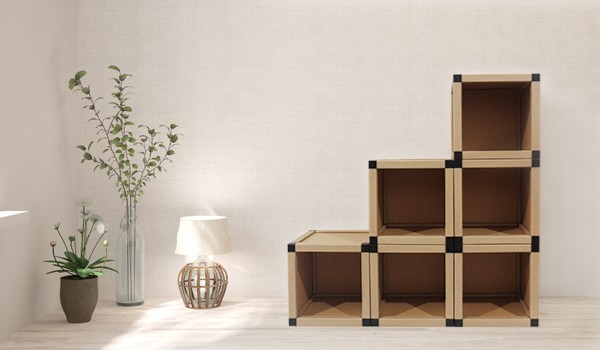
Paper furniture is a new type of furniture that embodies the core concepts of eco-friendliness, lightness, and sustainability. It uses high-strength paper tubes as the main structural support, combined with flexible 3-way / 4-way / 5-way connectors and durable plastic foot covers, creating versatile configurations through modular design.
The entire assembly process requires no tools — simply insert the paper tubes into the connectors to complete the setup effortlessly. Whether for homes, offices, or exhibition spaces, the furniture can be quickly assembled into stable, elegant, and functional structures.
Paper furniture not only offers excellent load-bearing capacity and structural stability but also achieves recyclability and environmental sustainability through its materials.
It represents a new lifestyle — lightweight, convenient, green, and creative.


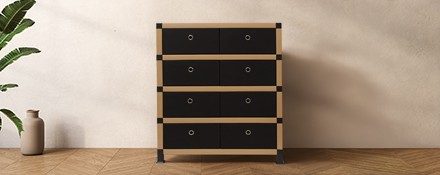
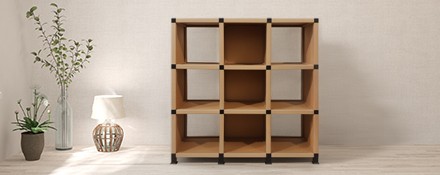
Our paper furniture is mainly composed of three key components:
High-strength paper tubes
Reinforced paper panels
Multi-prong PP connectors
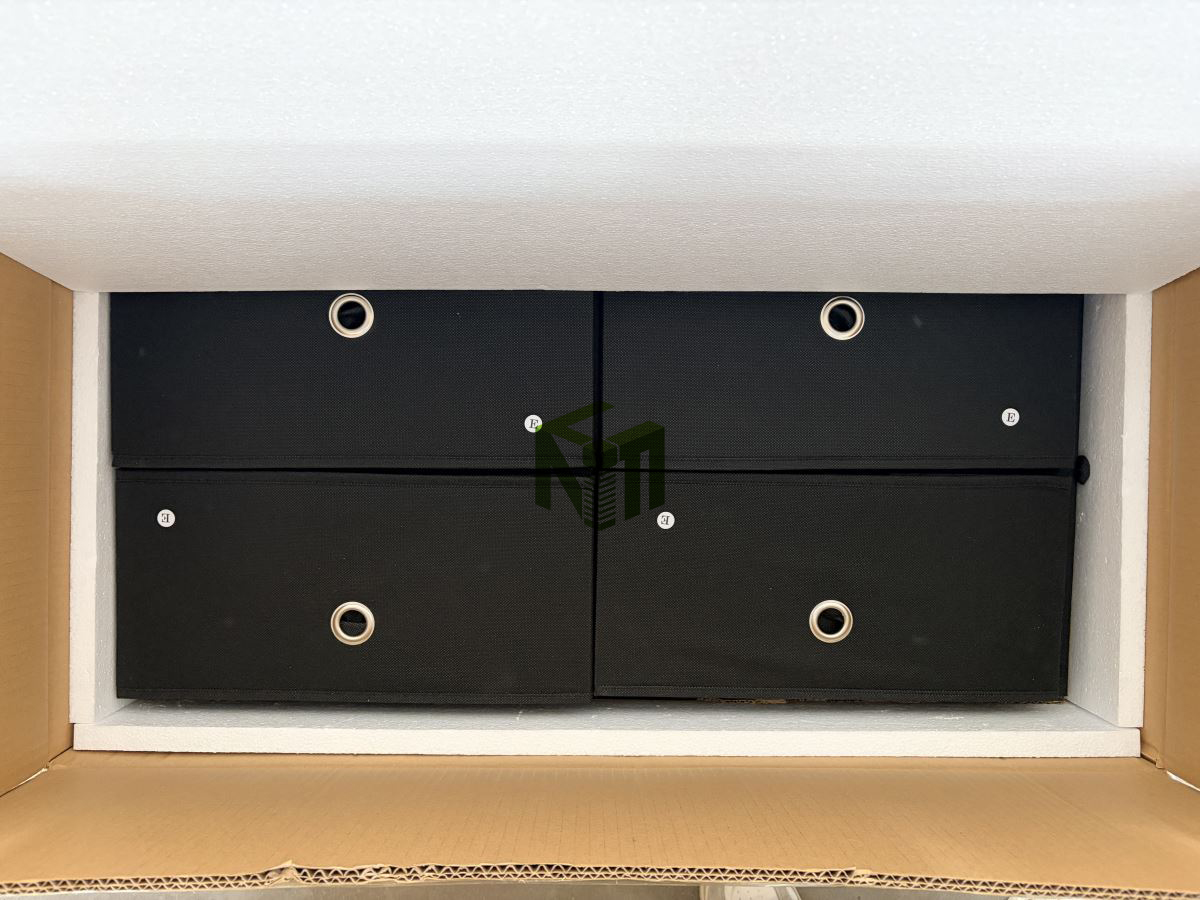
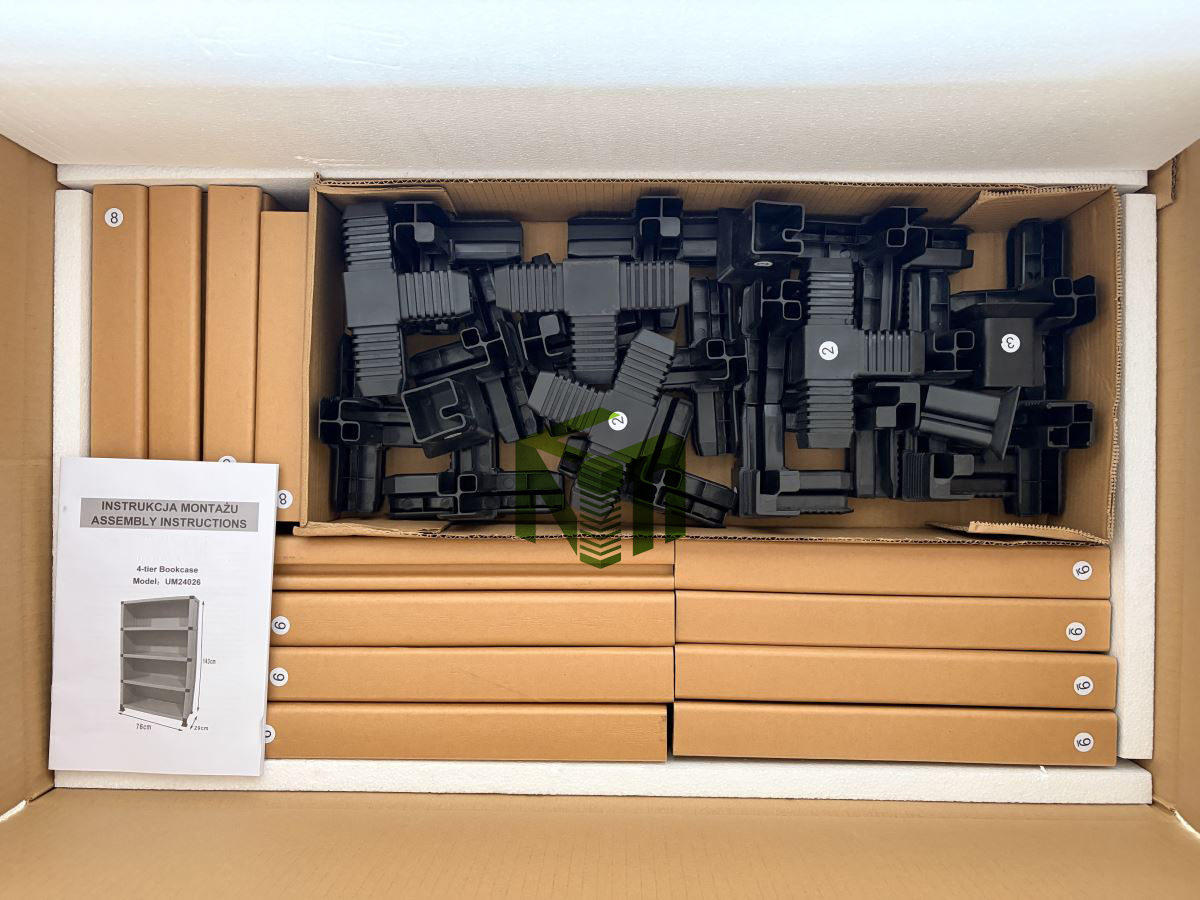
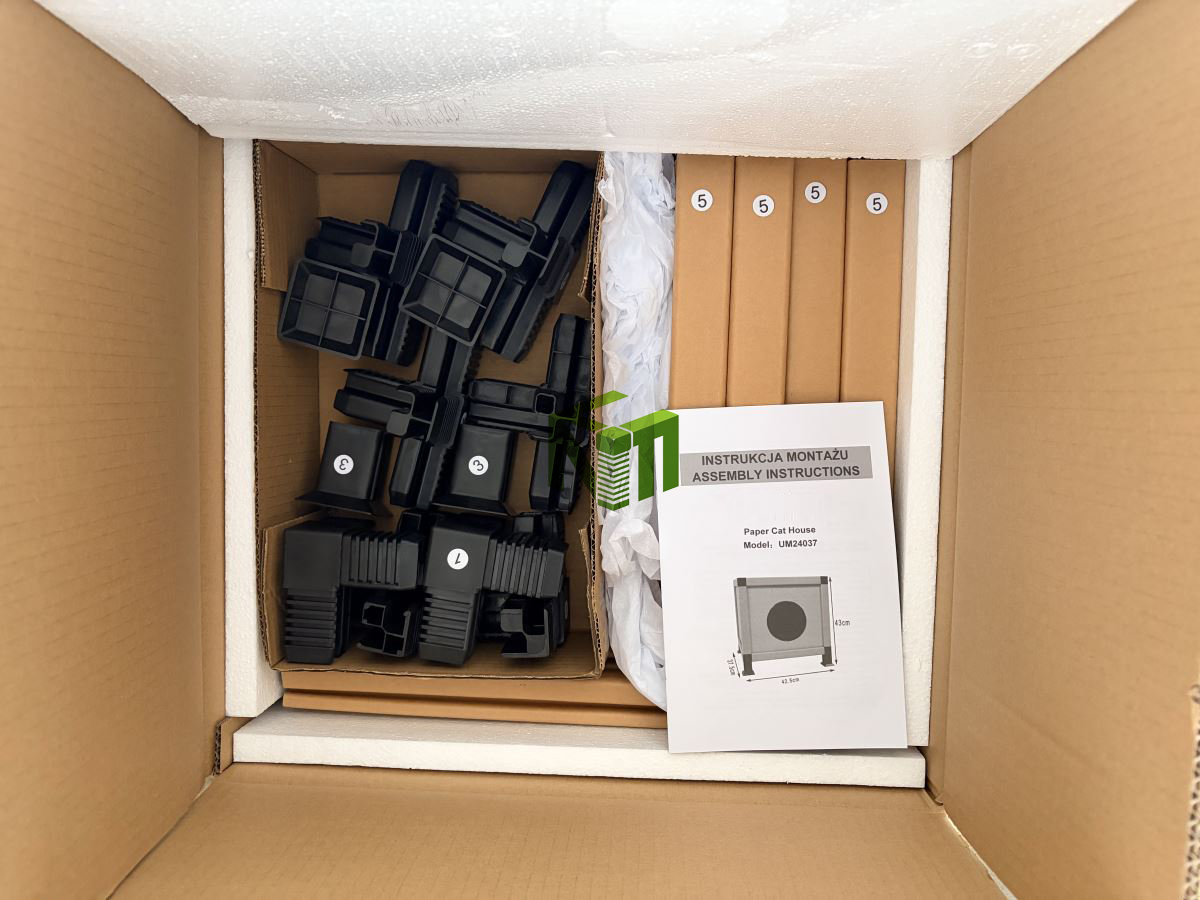
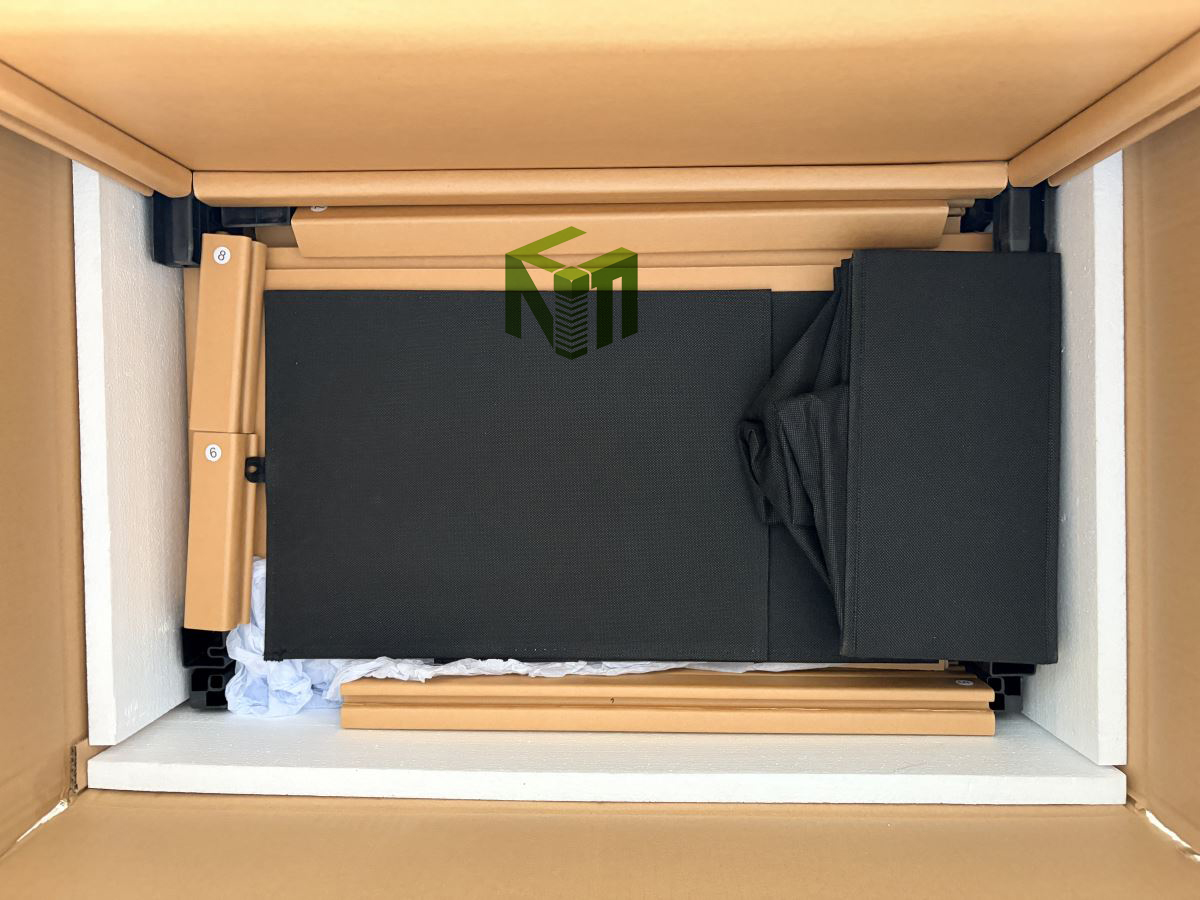
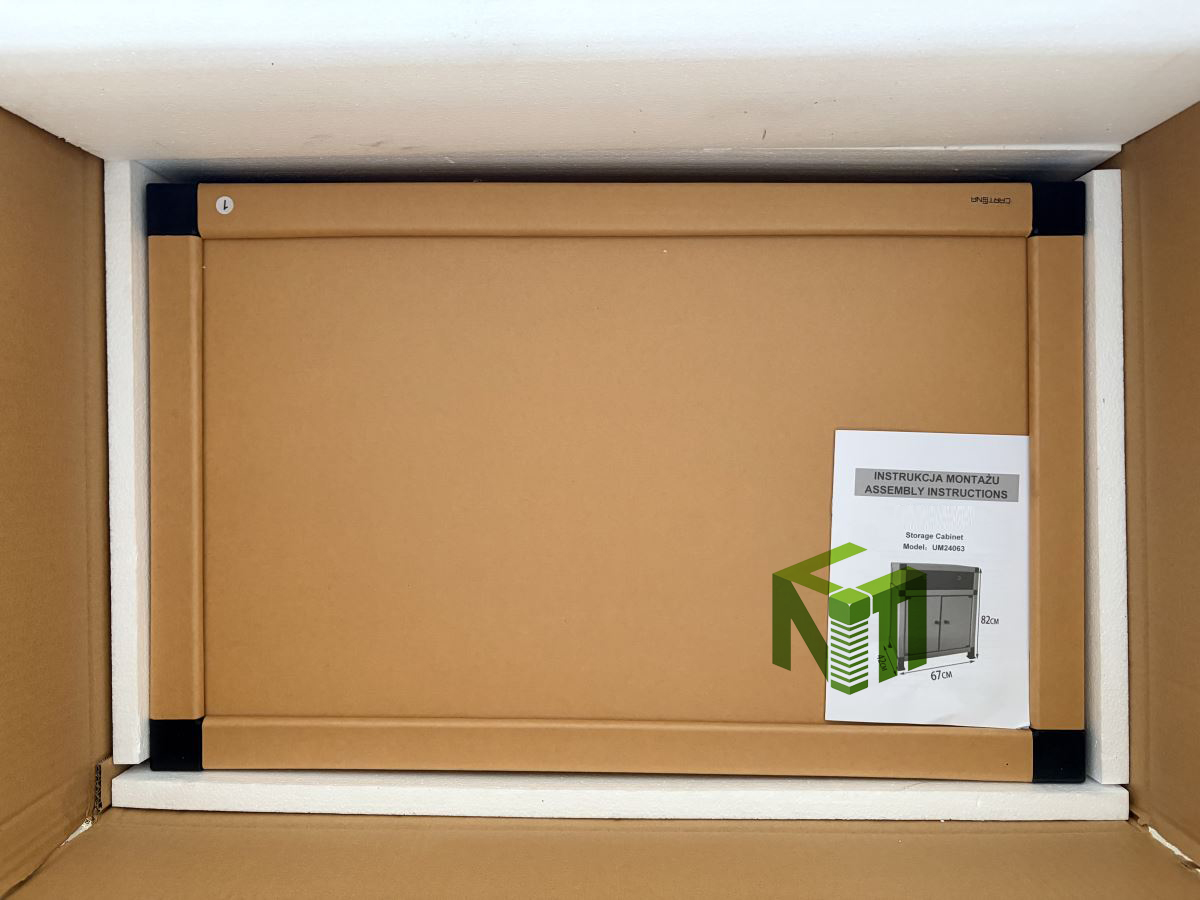
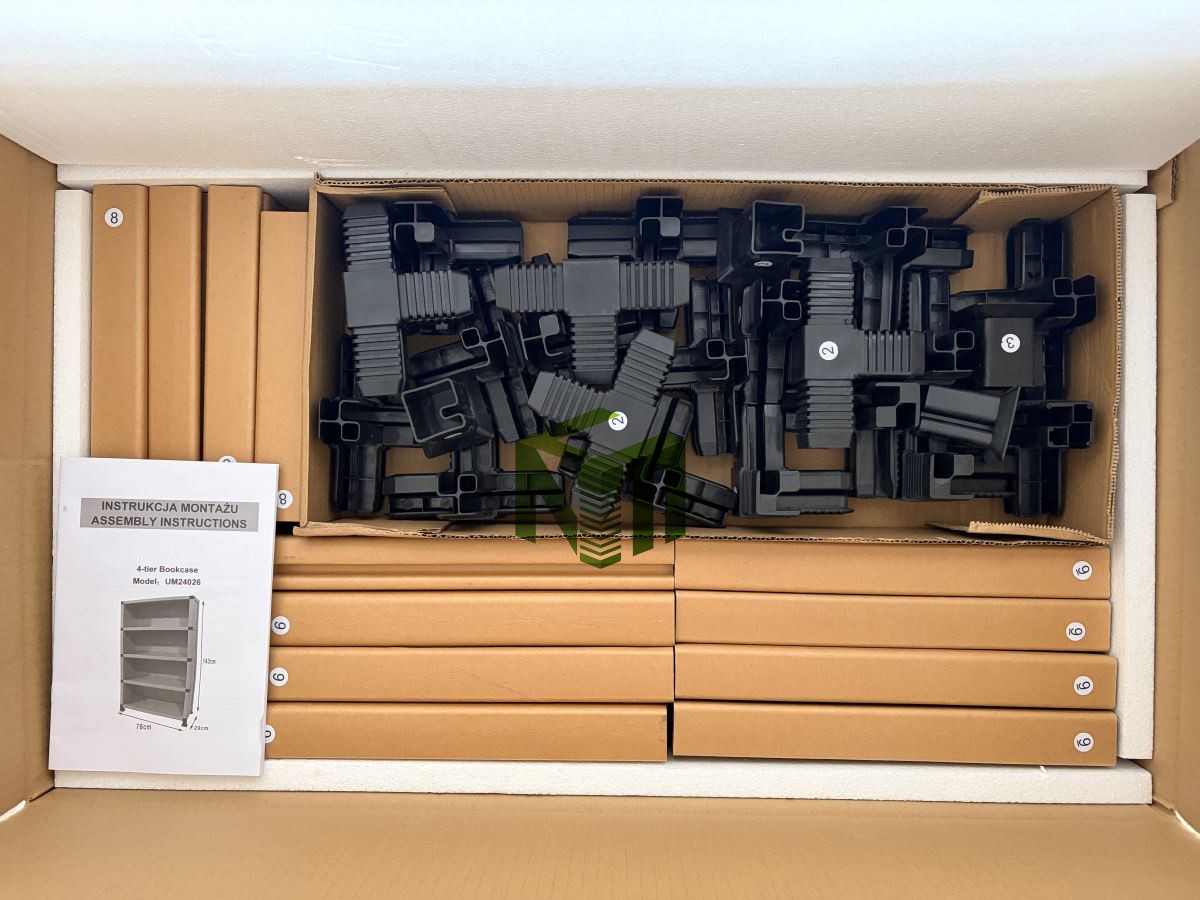
Before shipment, all components are disassembled and packed separately, allowing the product to be stored in a flat format inside the carton.
This packaging method not only protects the product structure but also significantly reduces shipping volume.
Strictly control environmental humidity: Use dehumidifiers or dehumidification boxes during humid seasons to keep indoor humidity below 60%; Plastic foot pads are placed at the bottom of furniture to isolate moisture from the ground.
Avoid excessive use: strictly place items according to the load-bearing parameters marked by the merchant (such as stacking items with a load-bearing capacity of 30kg for plywood), and do not use cardboard furniture as a "long-term load-bearing mainstay" (such as not replacing solid wood dining tables).
Timely maintenance and repair: If surface coating damage is found, timely apply waterproof paint; Small mold spots appear, gently wipe with white vinegar and air dry; When the joint is loose, apply waterproof wood glue again.
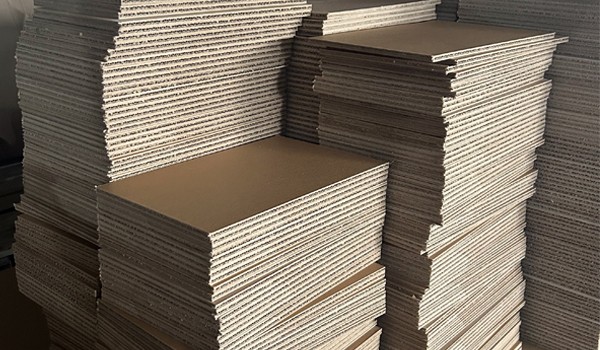
There is no fixed standard for the service life of cardboard decorative furniture, which depends on the usage environment, material technology, and strength. It is usually between 1-5 years, and can be extended to more than 5 years under ideal conditions.
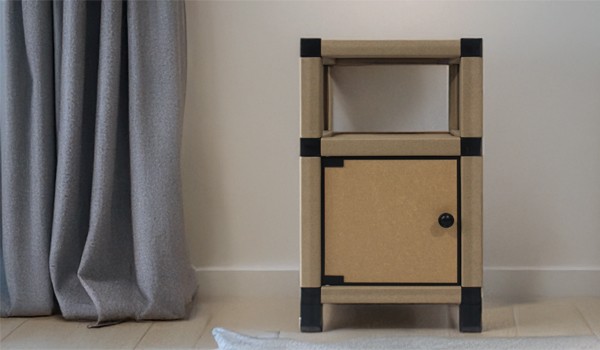
Cardboard decorative furniture is more suitable for "light use, strong decoration" scenarios (such as transitional rental housing, children's room decoration, temporary storage), rather than long-term load-bearing core furniture.
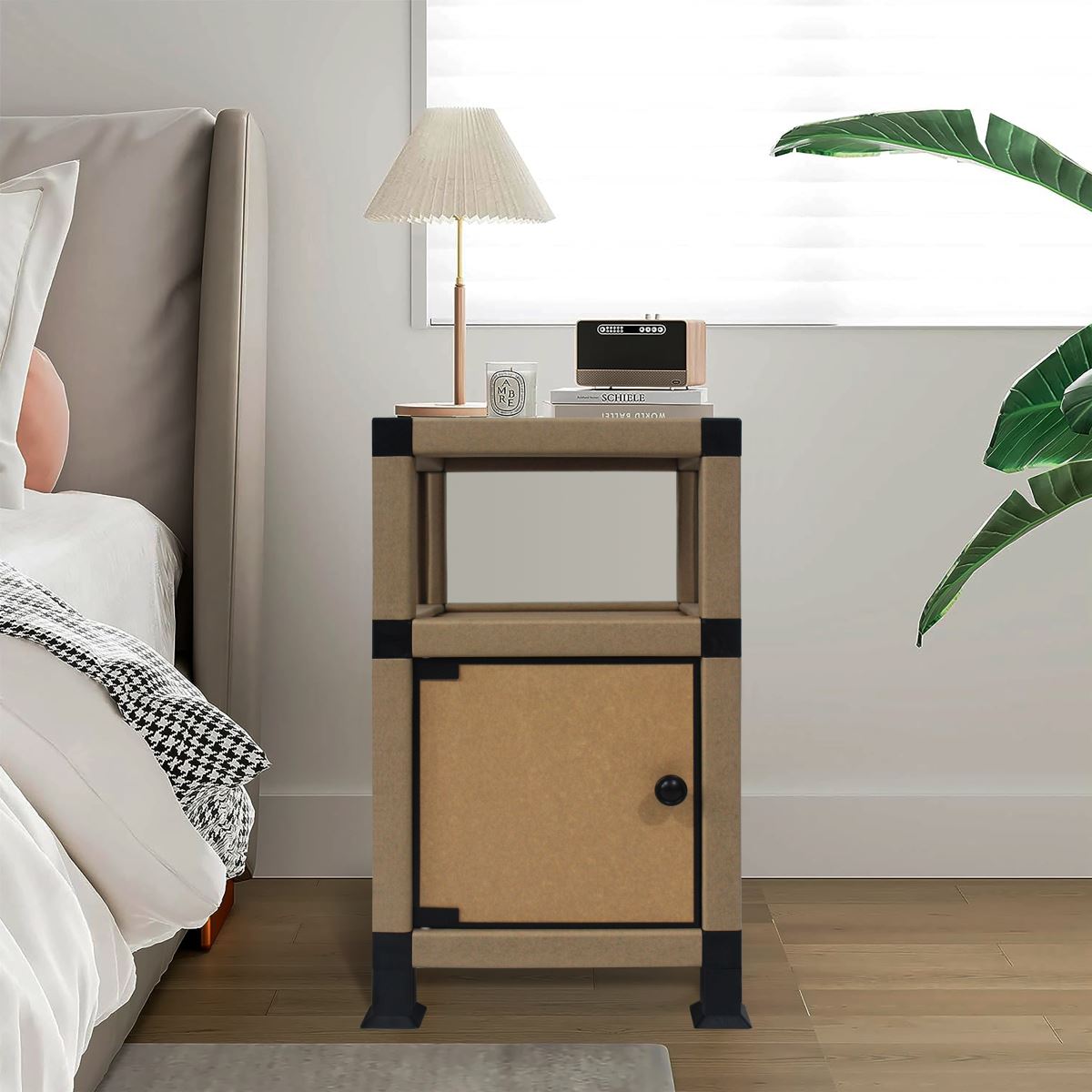
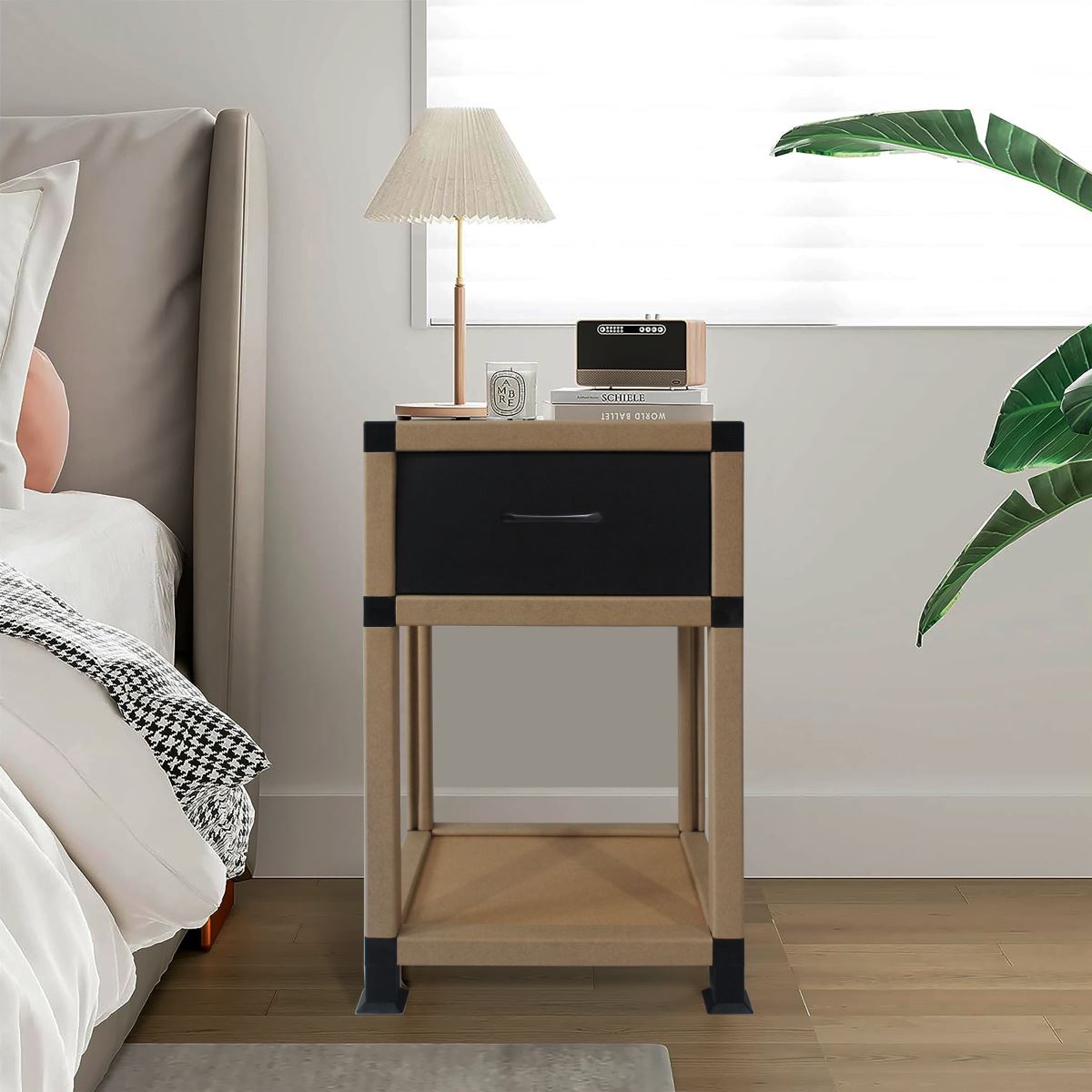
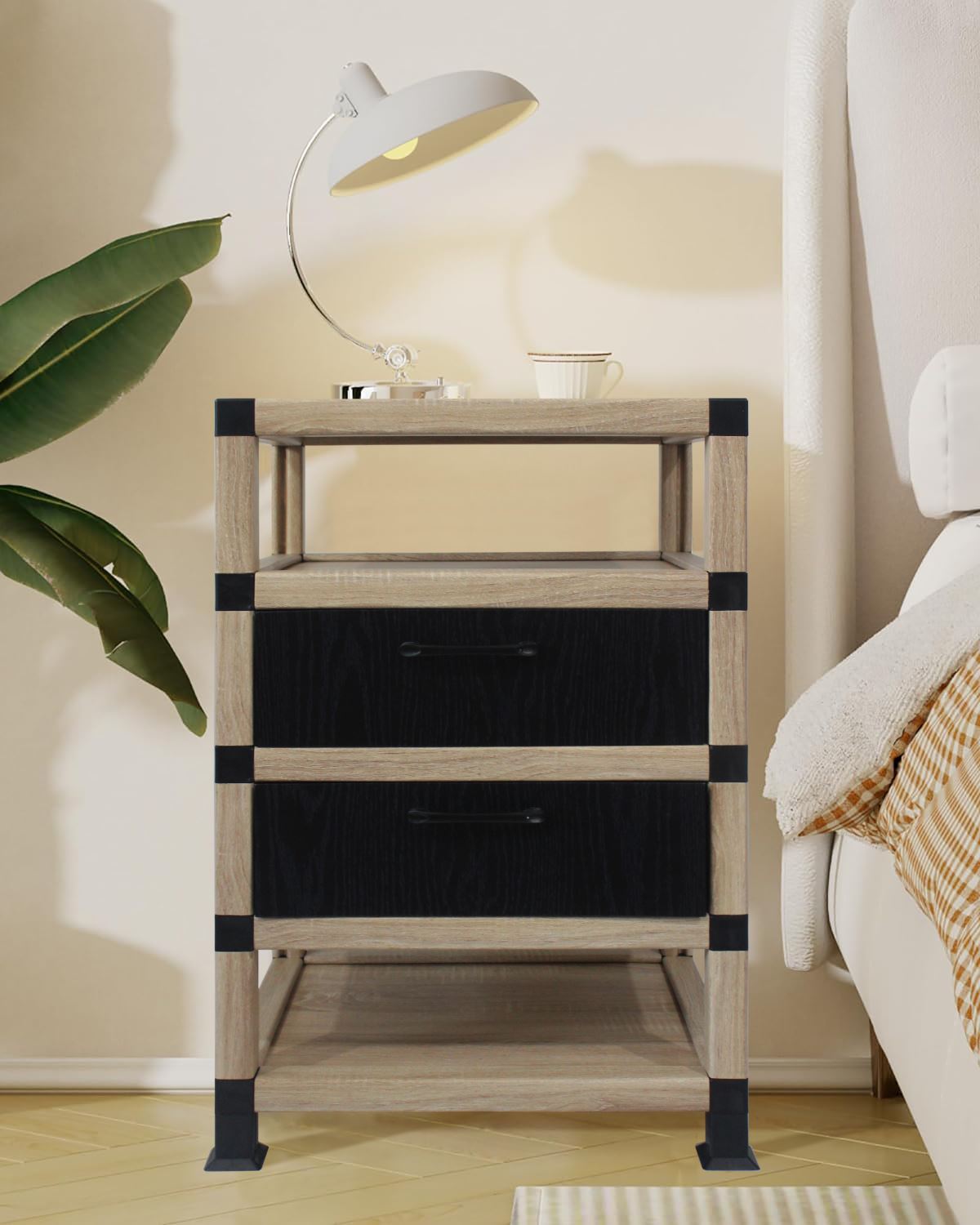
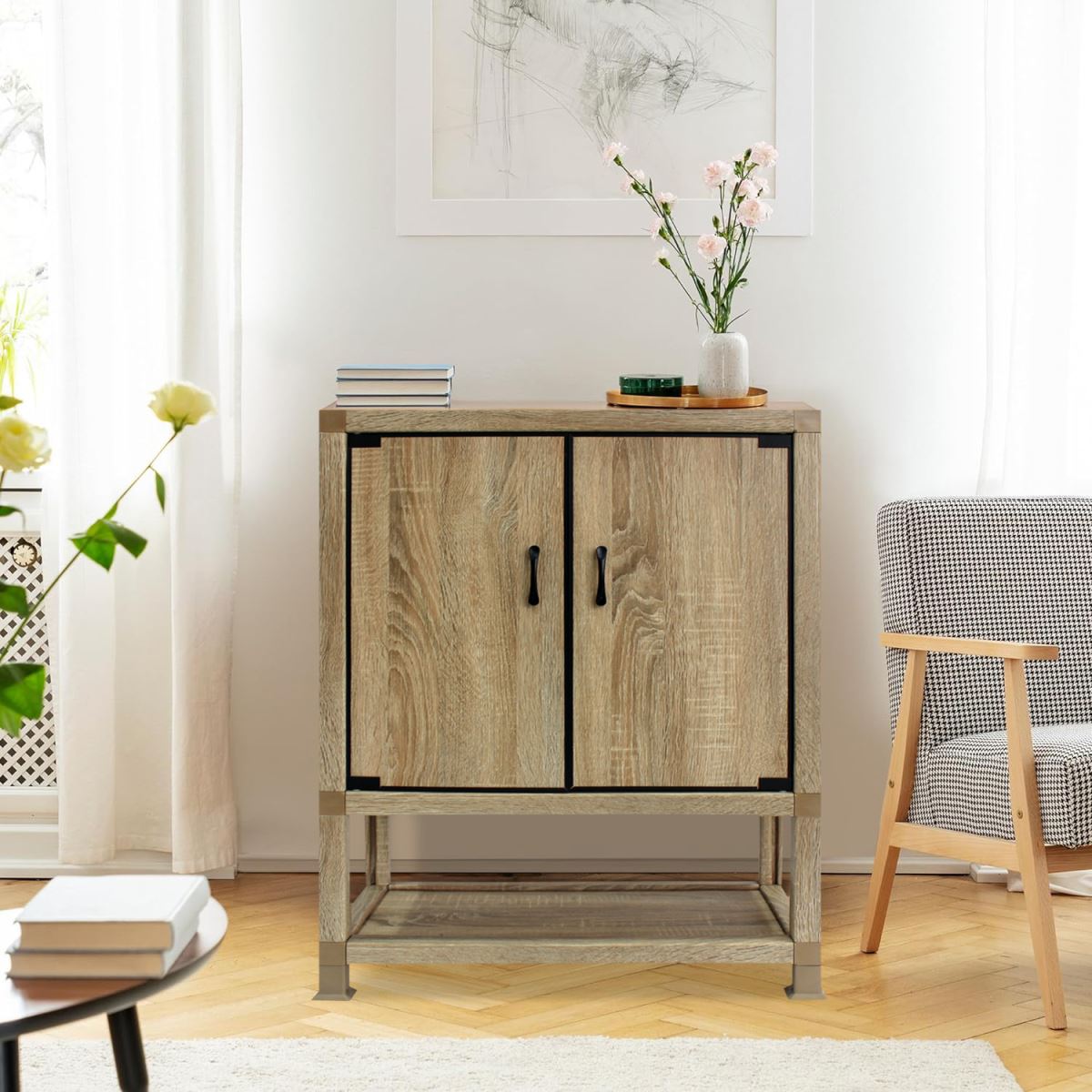
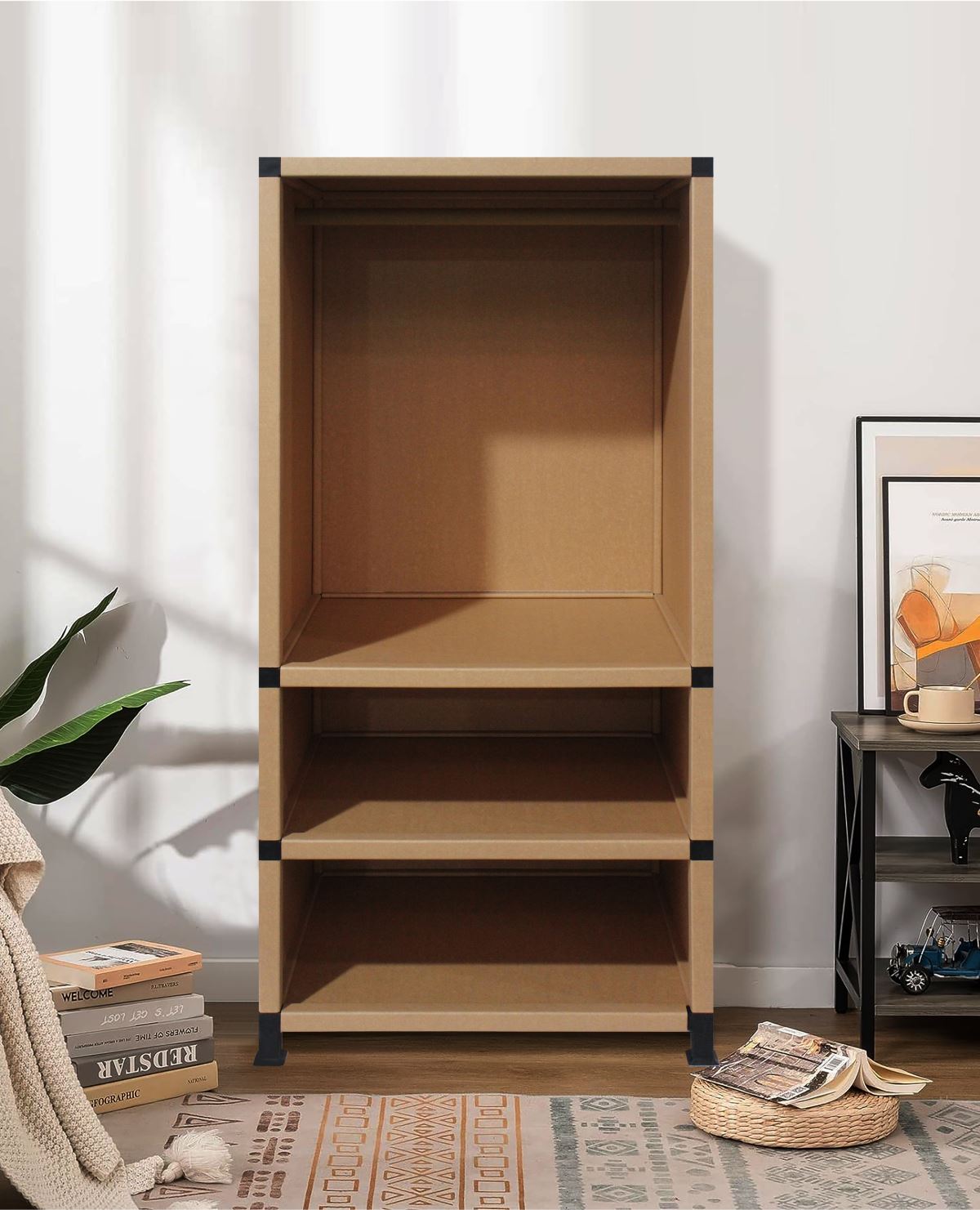
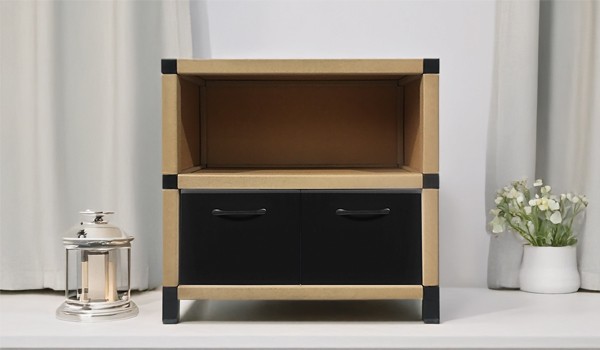
To solve the moisture resistance problem of cardboard furniture, a combination of "pretreatment+structural protection+environmental control" is needed - pretreatment determines the basic water resistance, structural optimization blocks the permeation path, and environmental control reduces moisture contact. The combination of the three can maximize the avoidance of damage caused by moisture.